TIMELINE
1853
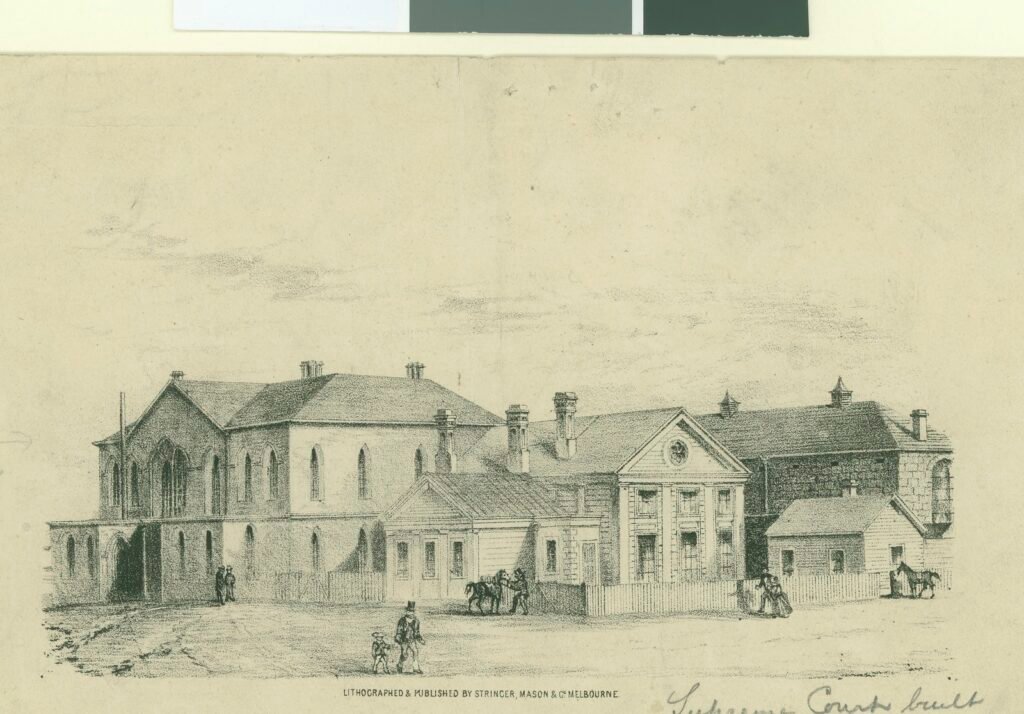
The Victorian Supreme Court within the first two years of its establishment adopts the racialised requirement that all candidate for admission to legal practice in Victoria must be natural-born or
naturalised British subjects. From the late 19th century onwards, the requirement of British subjecthood for entry into the legal profession existed elsewhere across the British Empire including in Canada and
New Zealand.
1868
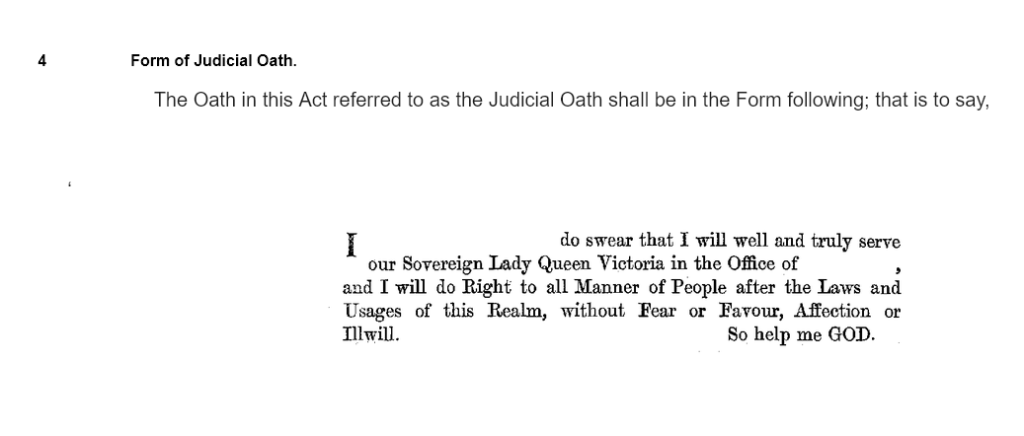
UK passes the Promissory Oaths Act 1868 (UK), allowing for the admission of so-called ‘alien’ lawyers into legal practice in the UK.
1901
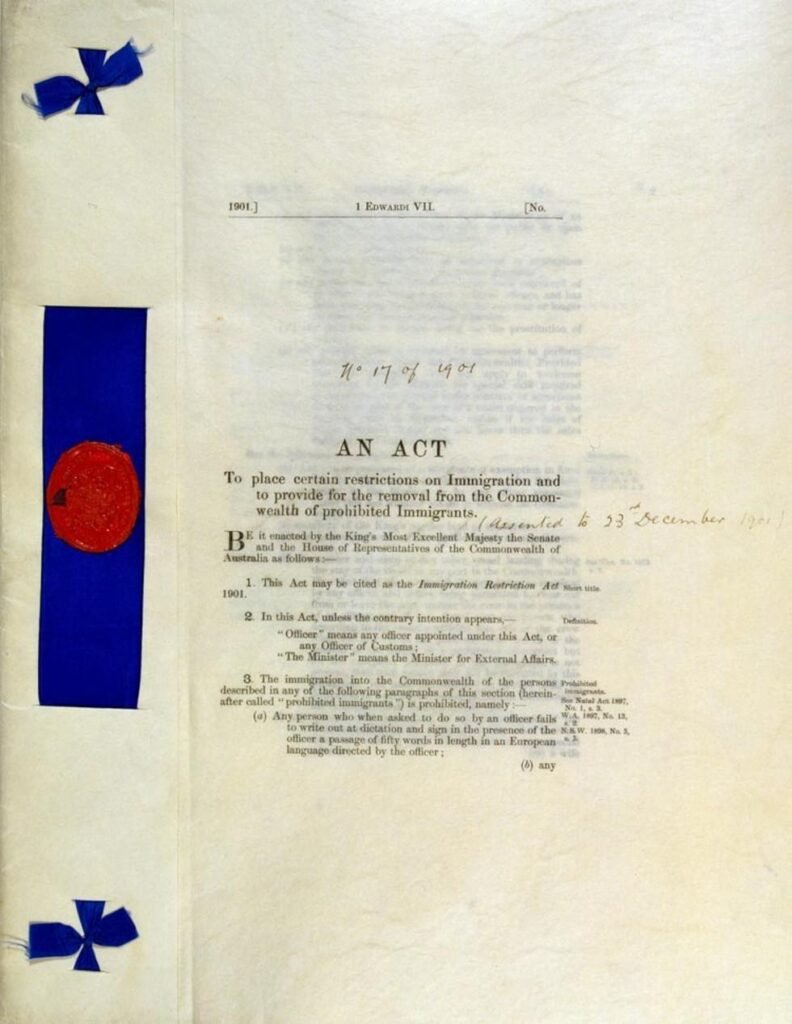
Australian Federation, and the passing of the Immigration Restriction Act 1901 (Cth). A national policy of White Australia is formally adopted, targeting the racial exclusion of non-white, non-European people, particularly from Asia and Oceania, and includes the forcible deportation of labourers from the Pacific Islands.
1920
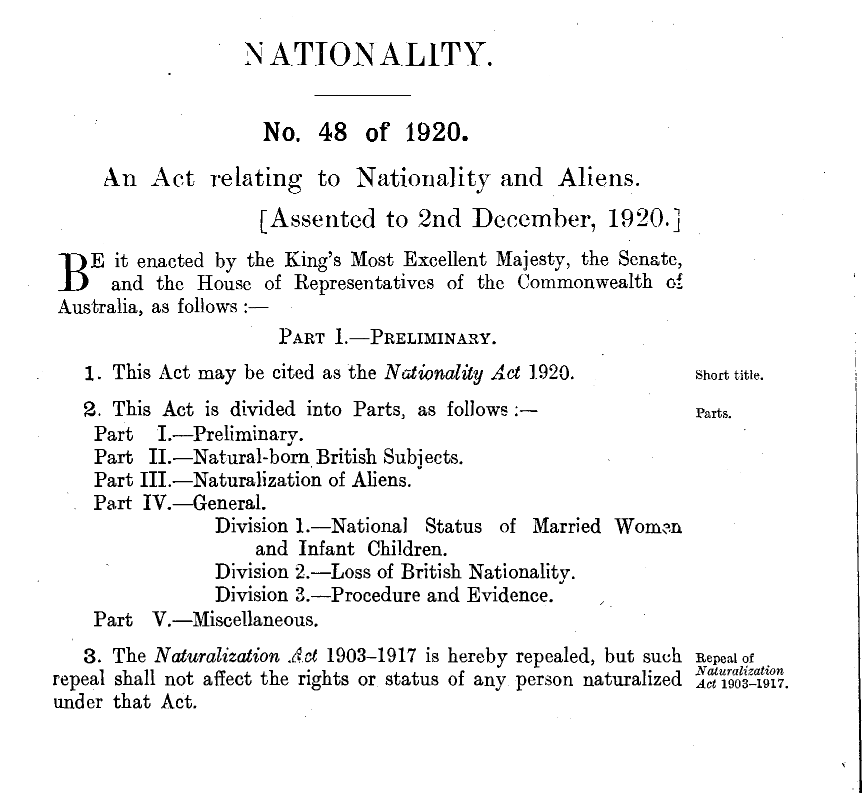
The Commonwealth Parliament passes the Nationality Act 1920 (Cth), which stipulates three requirements for a person to be naturalised as a British subject: first, a past residency requirement, with the applicant having ‘either resided in His Majesty’s dominions for a period of not less than five years... or been in the service of the Crown for not less than five years within the last eight years before the application’; second, a character and language test; and third, a future residency requirement.
1933
30 Jan 1933 - Nazis take power in Germany.
April 1933 – Nazis impose laws that require Jews and non-Aryans to be dismissed from professions and civil service.
1933
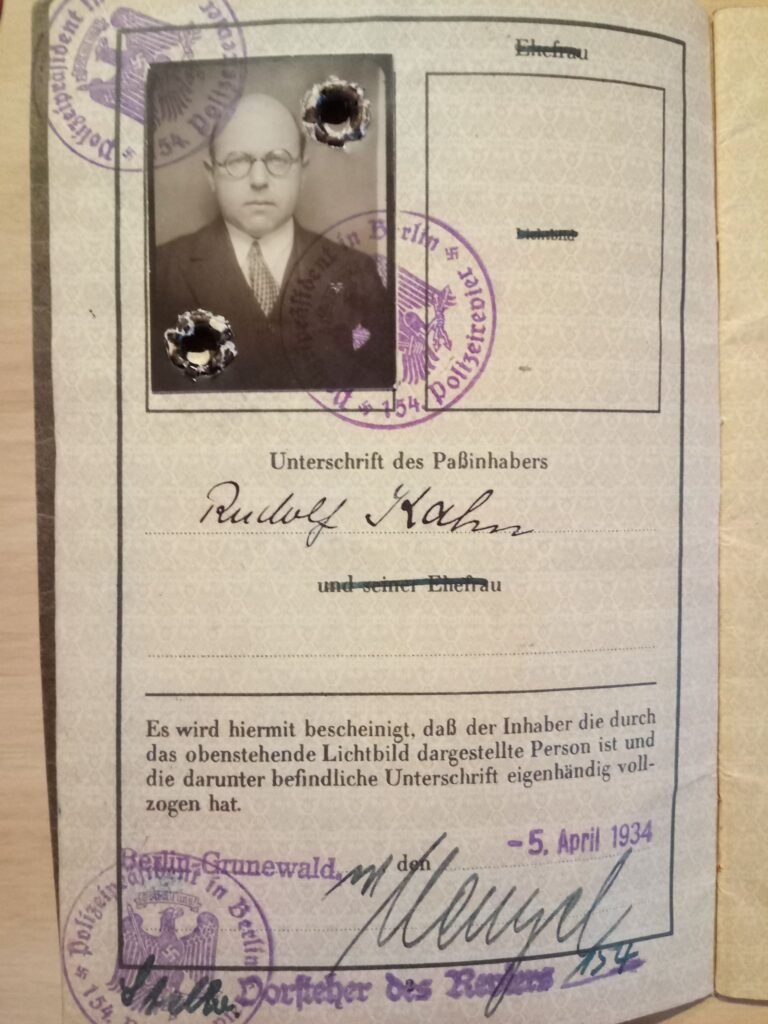
October 1933: Rudolf Kahn leaves Berlin, where he had been engaged as an Honorary Legal Advisor at the British Embassy.
He moves to London, and eventually Shanghai, in search of temporary refuge and safety. In Shanghai, he practices in the British Consular Courts in China and lectures at Soochow University until July 1937.
1933
Academic Assistance Council (later the Society for the Protection of Science and Learning) established in London to assist academics fleeing Nazi Germany. Esther Simpson hired by AAC, later would lead the SPSL.
1933
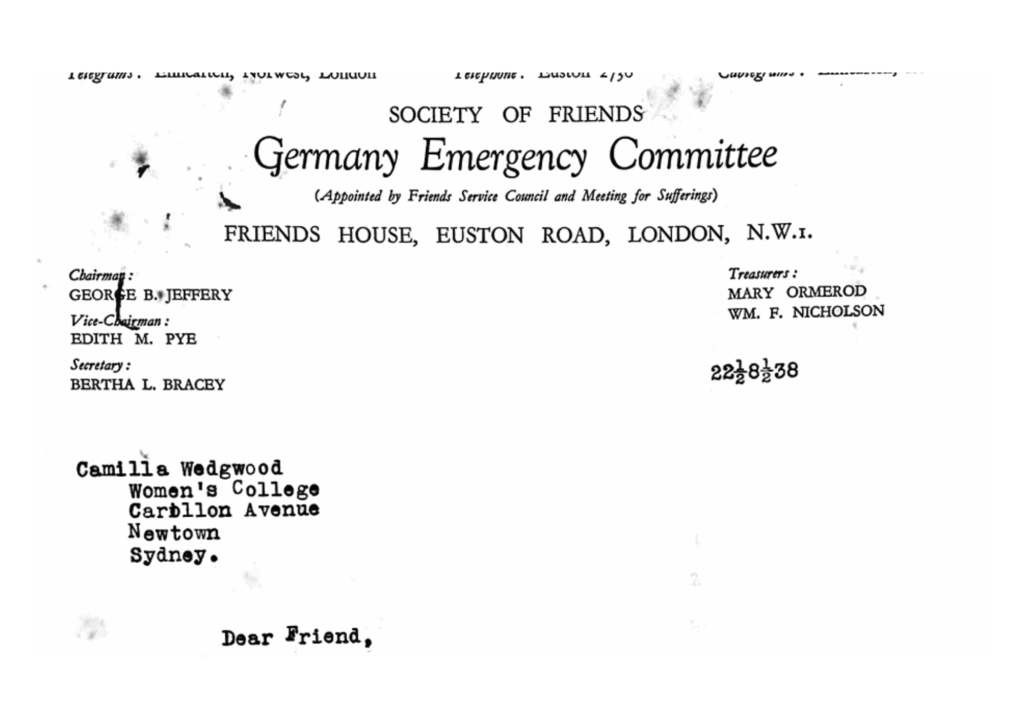
Society of Friends (Quakers) in London establish the Germany Emergency Committee, later the Friends Committee for Refugees and Aliens.
1933
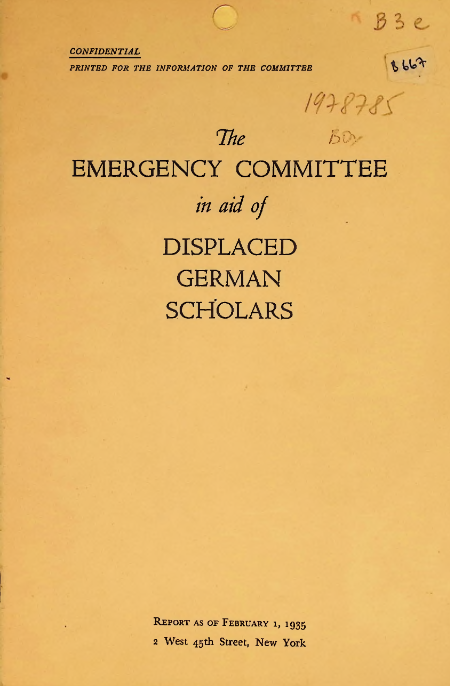
Emergency Committee in Aid of Displaced German Scholars established in New York. Named changed later to Emergency Committee in Aid of Displaced Foreign Scholars to assist European academics fleeing fascism.
1935
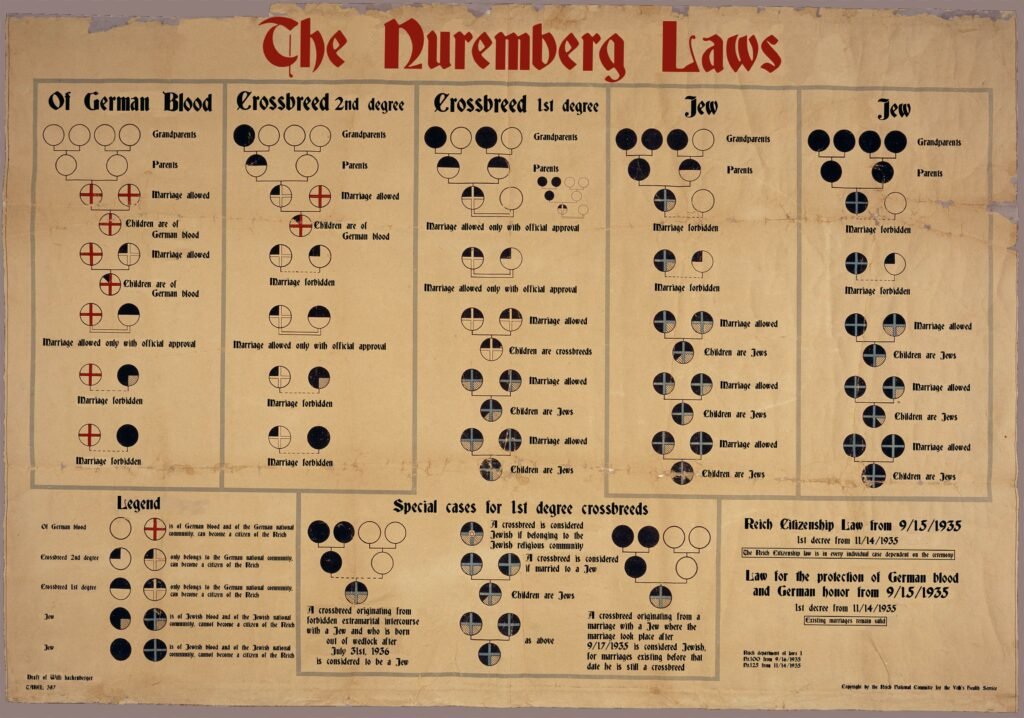
Sept 1935: Nazi Nuremberg Race Laws adopted in Germany, creating further legal distinctions between Germans based on ‘race’.
1935
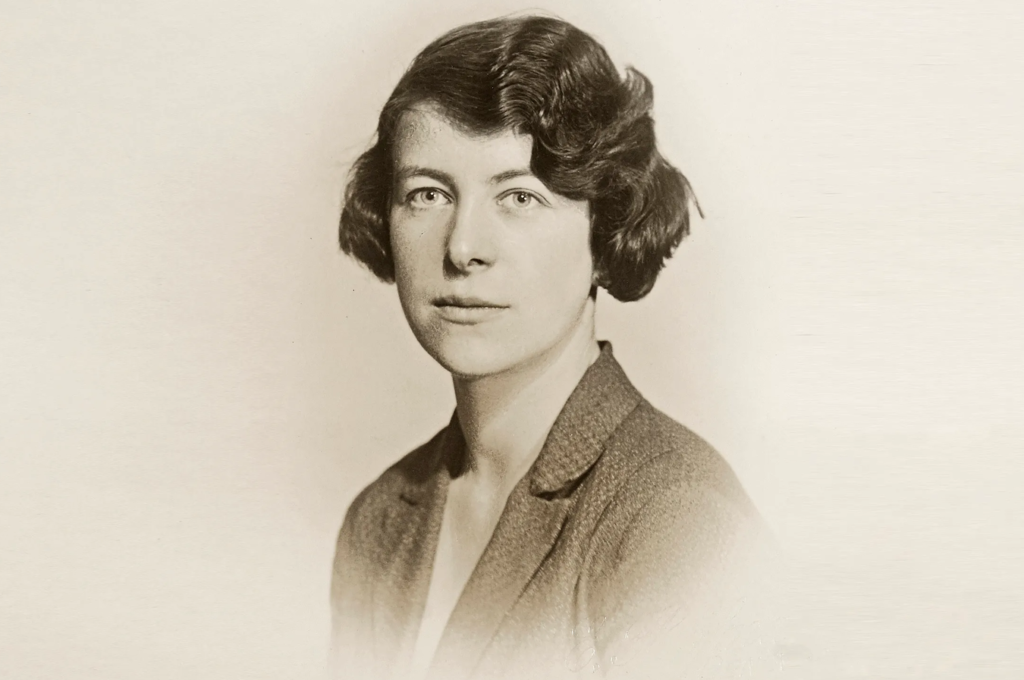
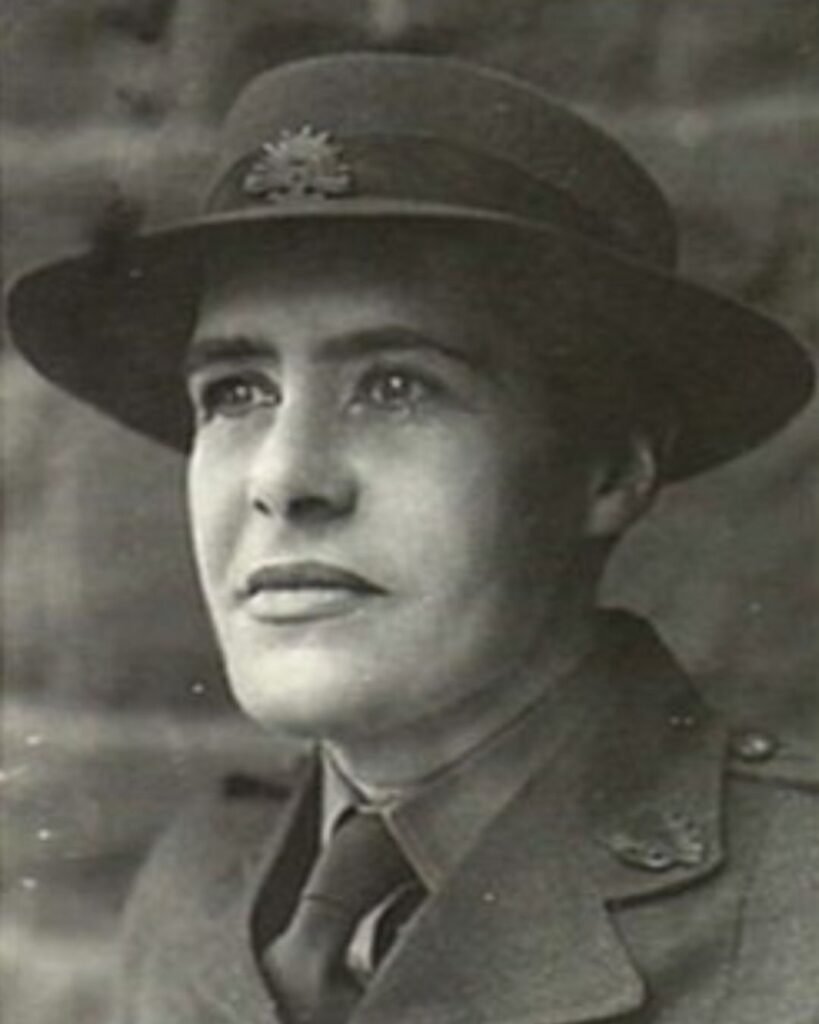
Camilla Wedgwood appointed Principal of Women’s College at University of Sydney. By 1937 she is Secretary of the German Emergency Fellowship Committee (later the European Emergency Committee).
1937
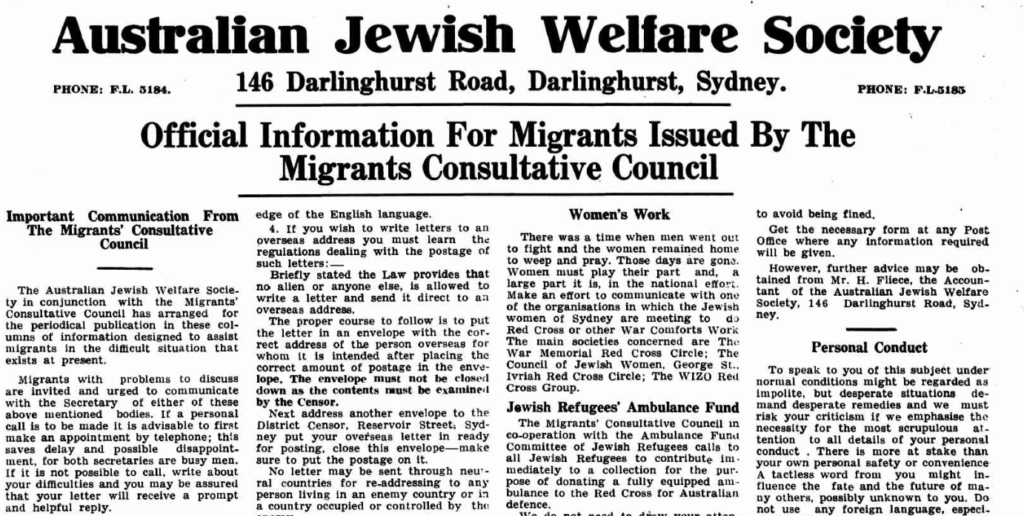
Australian Jewish Welfare Society formed to manage Jewish migration and settlement in Australia.
1938
March 1938 - Nazi occupation of Austria (Anschluss), and the application of Nazi laws to Austrian citizens.
1938
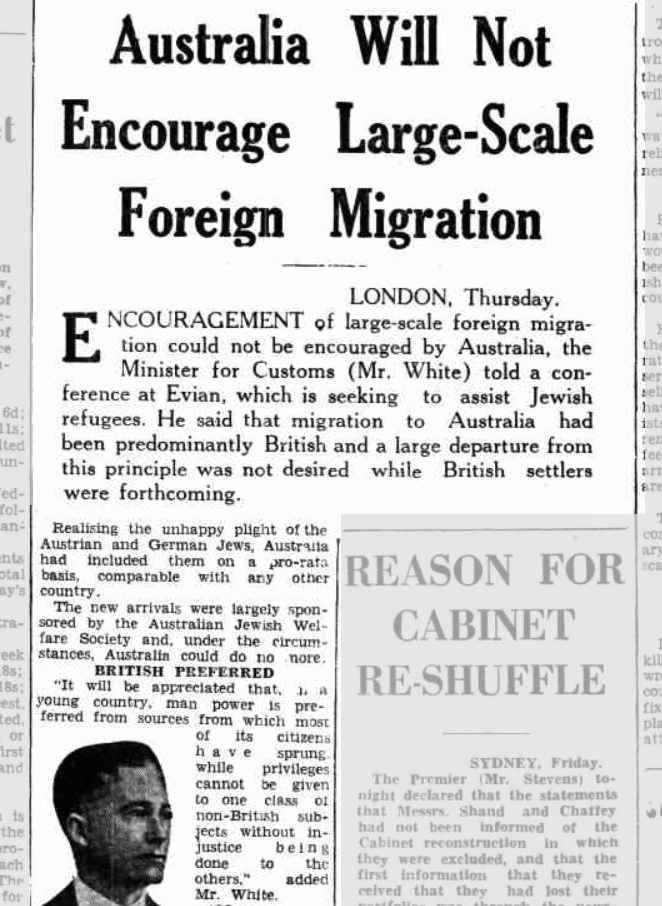
July 1938: Evian Conference is held in France on the European ‘refugee crisis’. The conference is attended by 32 delegates from different states, including Australia, as well as civil society organisations. The conference exemplifies the global anti-refugee stance of many states in refusing to admit more Jewish refugees from Europe. The Australian delegate, Colonel T. W. White, declares that “as we have no real racial problem, we are not desirous of importing one by encouraging any scheme of large-scale foreign migration”.
1938
September, 1938 - Jean and Zelman Bornstein arrive in Melbourne/Naarm from Poland.
1938
9-10 Nov – Kristallnacht anti-Jewish pogroms in Germany and Austria. An estimated 1,400 synagogues are burnt, 7,500 business are looted, and around 26,000 Jewish men are arrested and sent to Nazi concentration camps by Nazi paramilitary forces.
1938
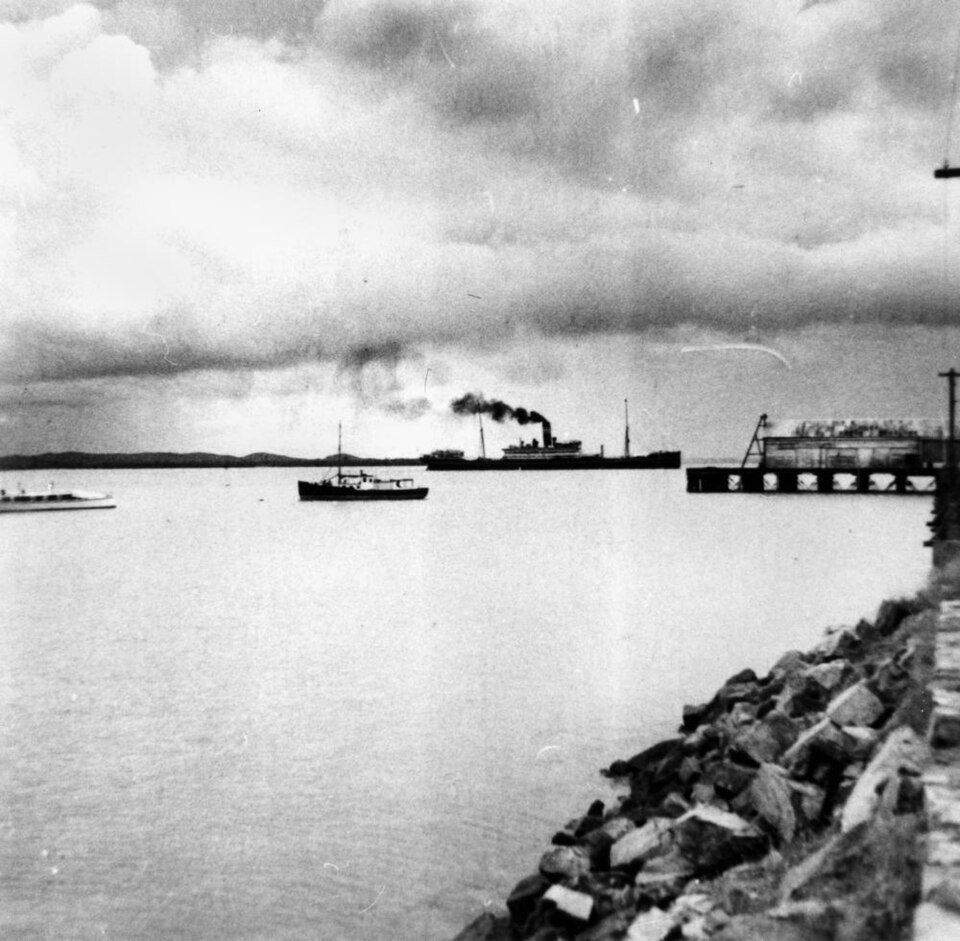
20 Dec 1938 – German-born Rudolf Ernst Kahn arrives in Melbourne/Naarm aboard the SS Kamo Maru, together with his wife Johanna and their 5 year old daughter Mary Anne.
1938
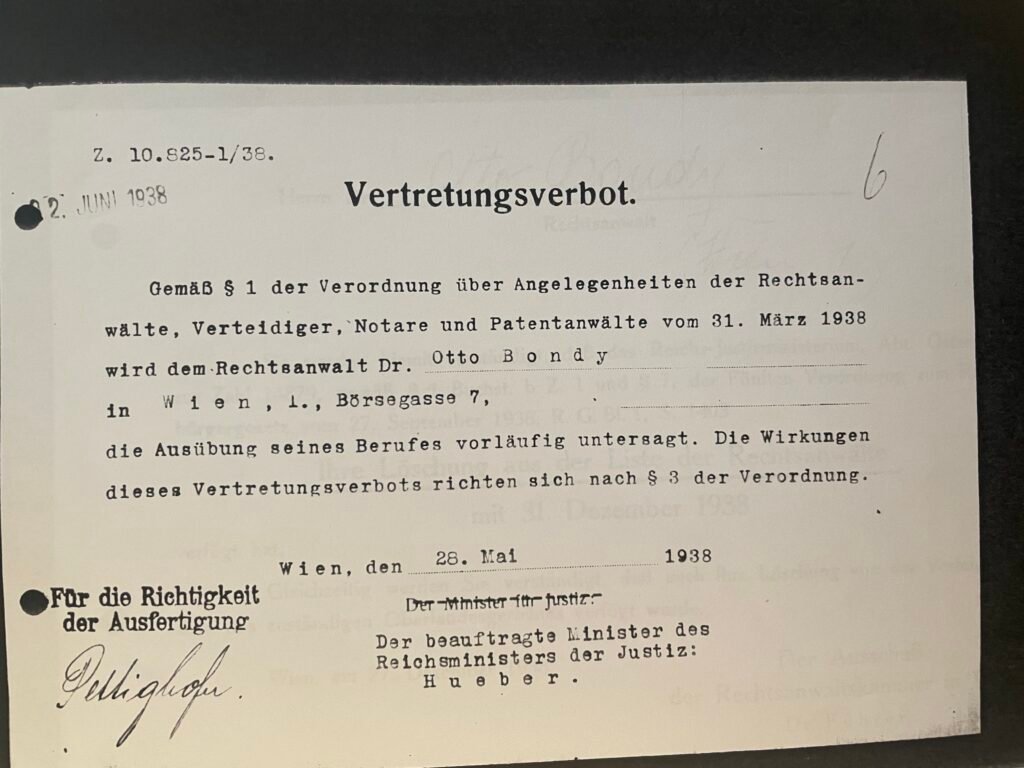
31 Dec 1938 – Otto Bondy is struck off the roll of barristers and solicitors in Vienna.
1938
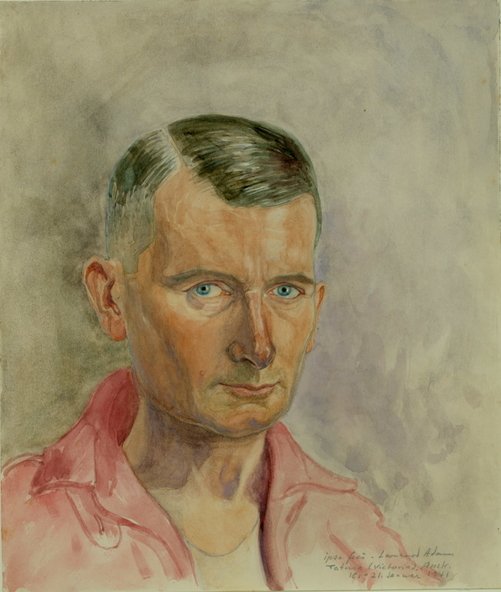
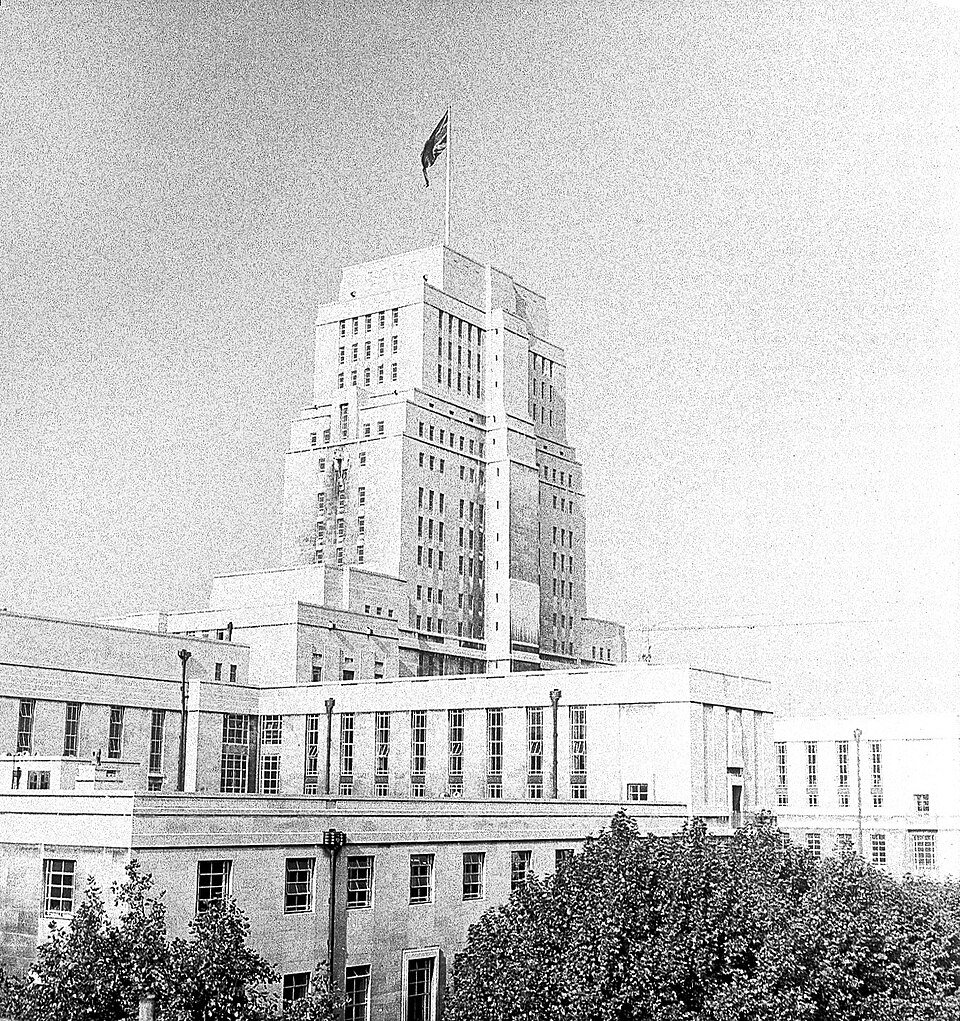
Leonhard and Manfred Adam flee Germany for the United Kingdom. Teaching at University of London.
1938
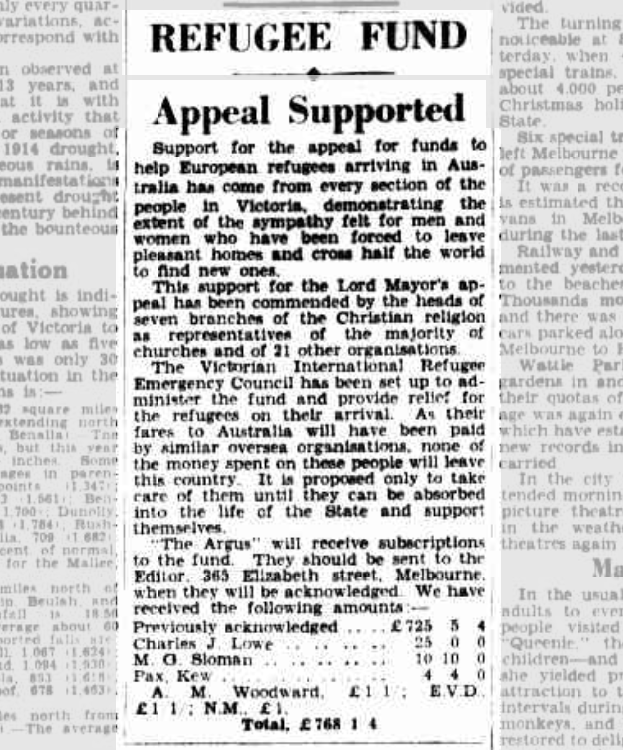
Victorian International Refugee Emergency Council formed to assist European emigres. Ada Constance Duncan appointed Director.
1939
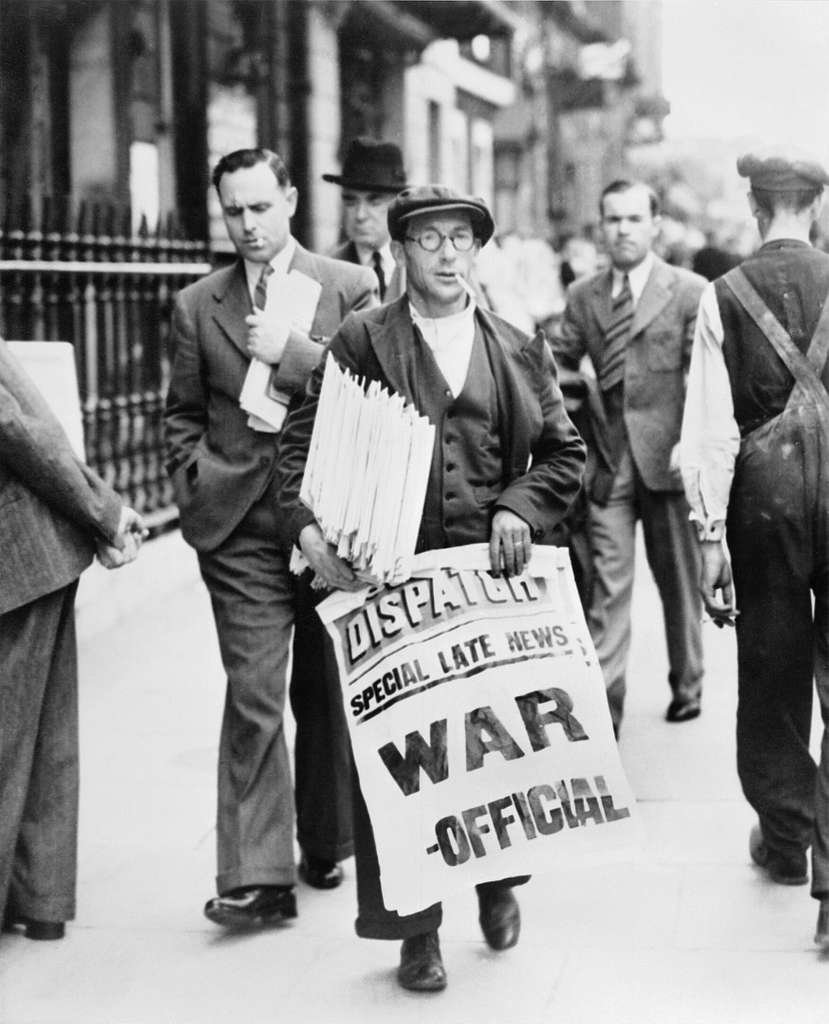
September 1939 – Britain declares war on Germany. All people of German and Austrian nationality become “enemy aliens”. This applies to more than 70,000 people in the UK.
1939
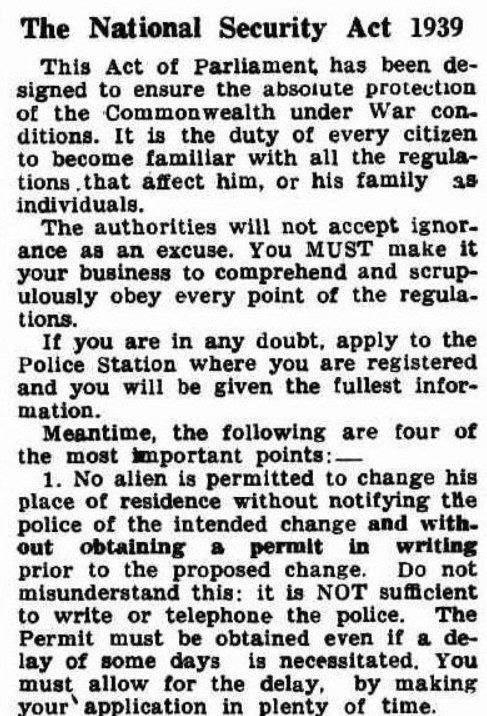
Sept 1939: Australia implements a law and policy of wartime internment, passing the National Security Act 1939 (Cth) and enacting numerous National Security (Alien Control) regulations.
Initially, only German nationals deemed to be engaged in subversive activities were interned, alongside other people considered ‘potentially dangerous’. By May 1940, only around 250 people interned. This number would significantly increase in the following months and years. By the end of the war, an estimated 10,000 ‘enemy aliens’ were interned in Australia, including Japanese, German, Austrian and Italian nationals, with around 2,000 people considered to be of German-Jewish origin.
1939
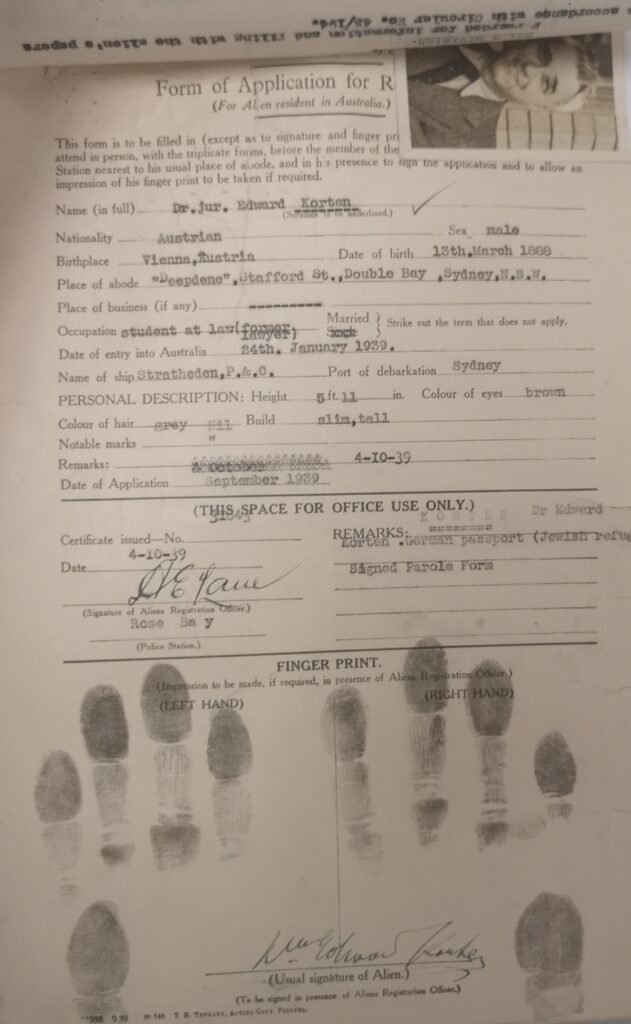
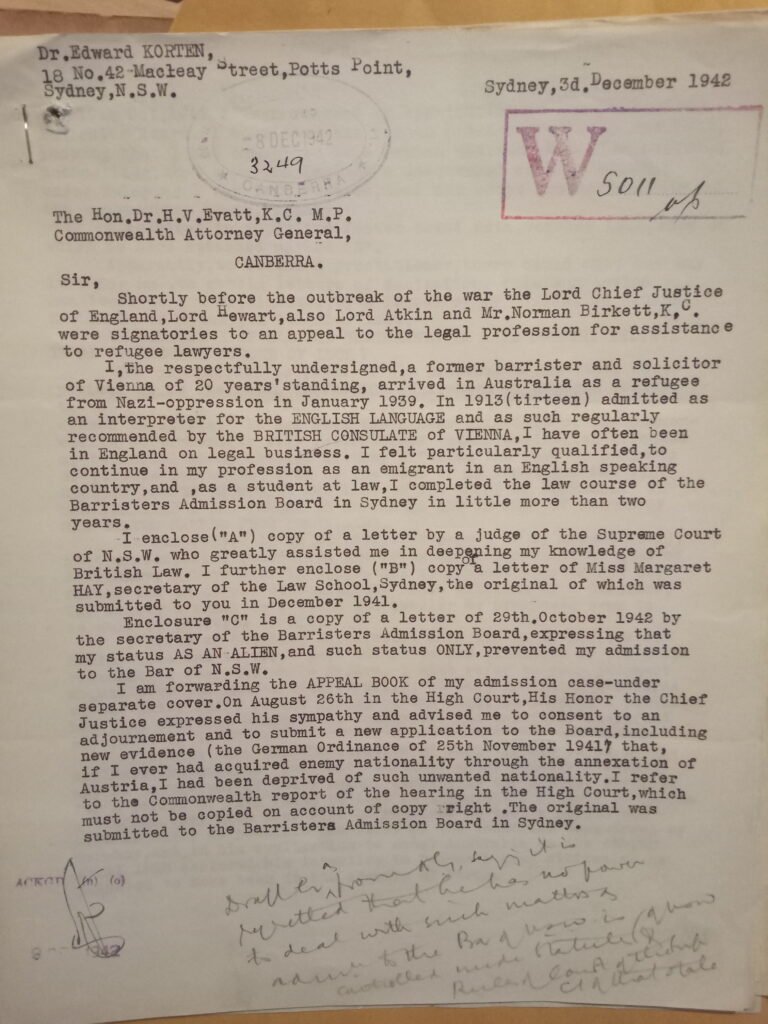
February 1939 – Austrian-born Eduard Korten arrives in Sydney with his wife Elvira and their 8 year old daughter Susanne.
1939
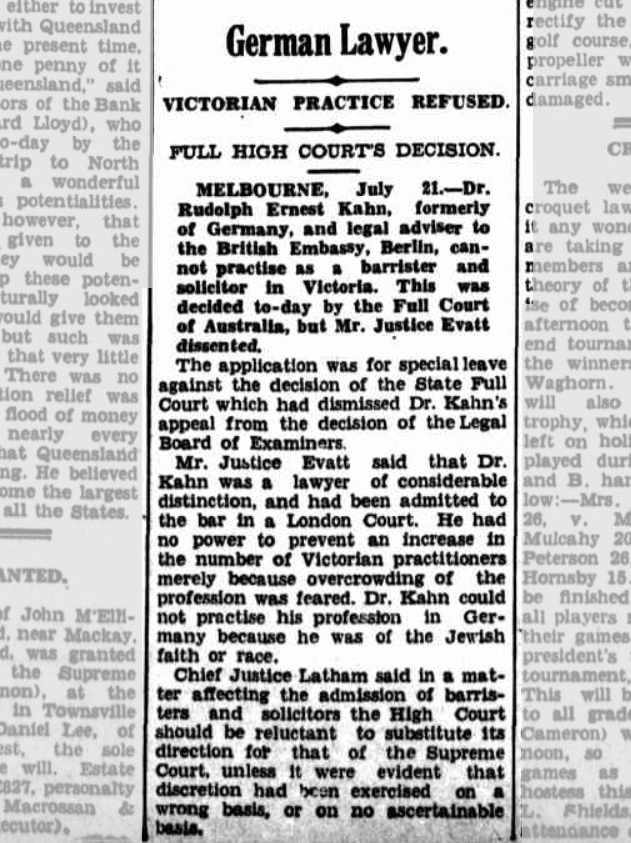
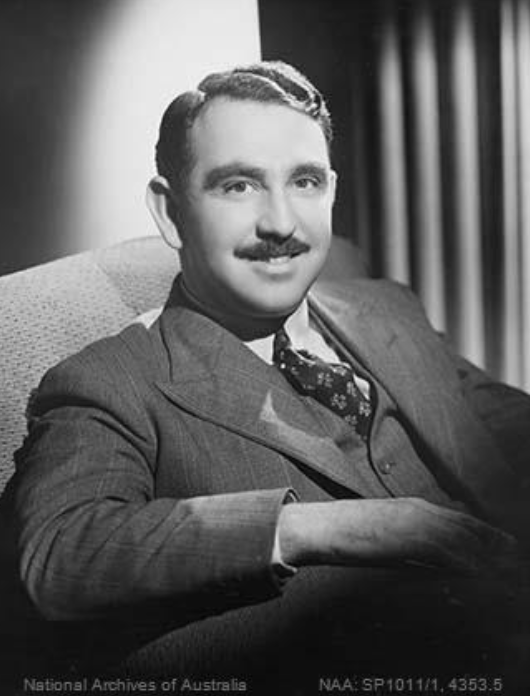
21 July 1939 – Australian High Court delivers the Kahn decision, effectively upholding Rudolf Kahn’s exclusion from legal practice in Victoria on the grounds of not being a natural-born or naturalised British subject. Justice Herbert Vere ‘Doc’ Evatt delivers a powerful dissenting judgment emphasising that admitting ‘aliens’ to legal practice would be a ‘liberal and humane policy’ and ‘wise as well as just’.
1940
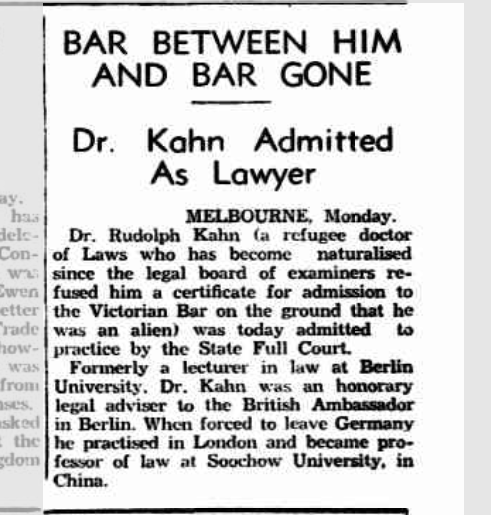
1 April 1940: Rudolf Kahn is admitted into legal practice in Victoria, following his expediated naturalisation as a British subject on 14 March given his service to the British Crown in Berlin.
1940
16 May 1940 Leonhard and Manfred Adam interned in the UK as ‘enemy aliens’.
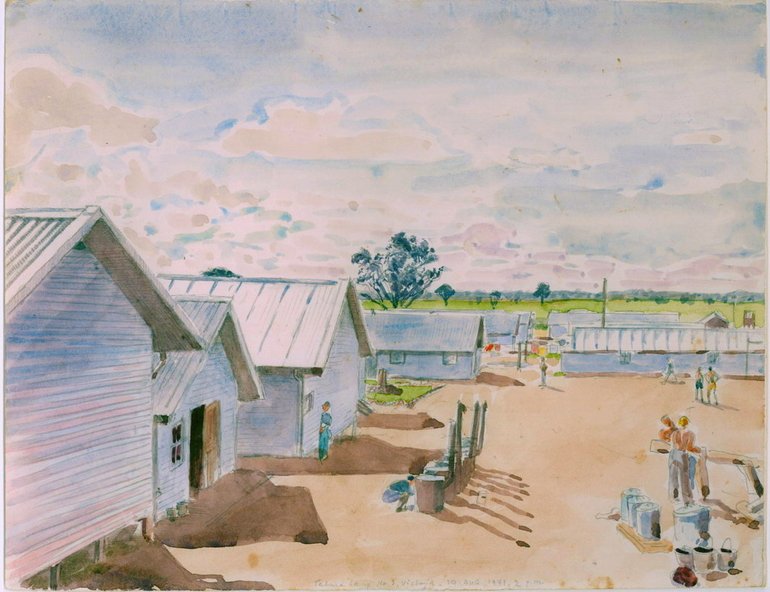
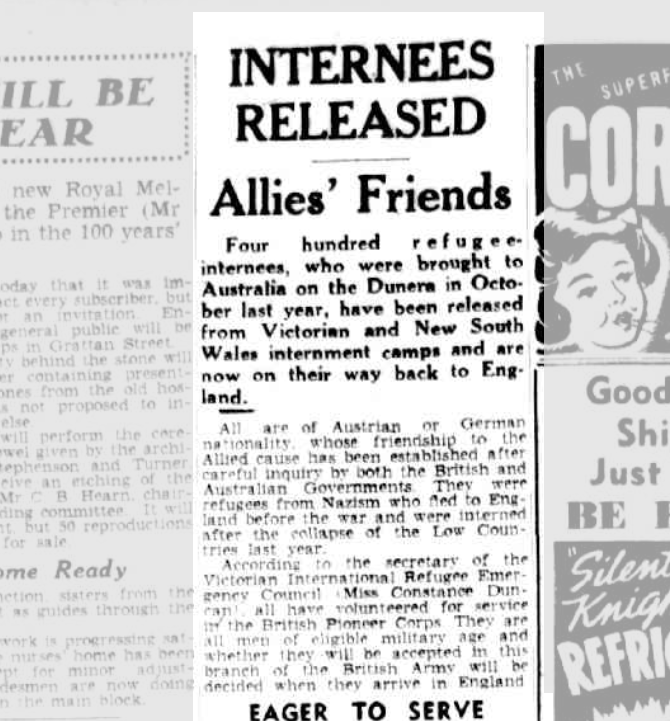
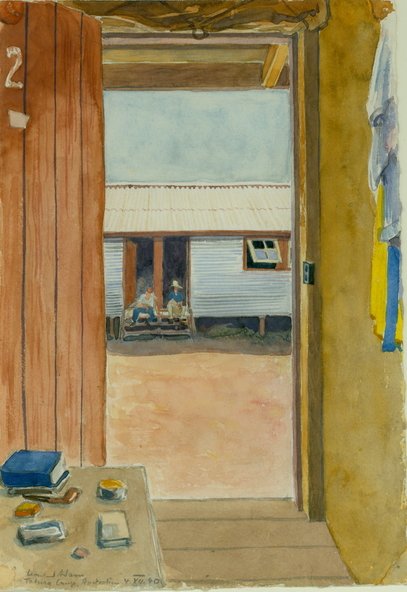
Leonard and Manfred Adam transported on the HMT Dunera. Interned at internment camp at Tatura in Victoria. Leonhard Adam is pro-rector of the ‘Collegium Taturense’.
1940
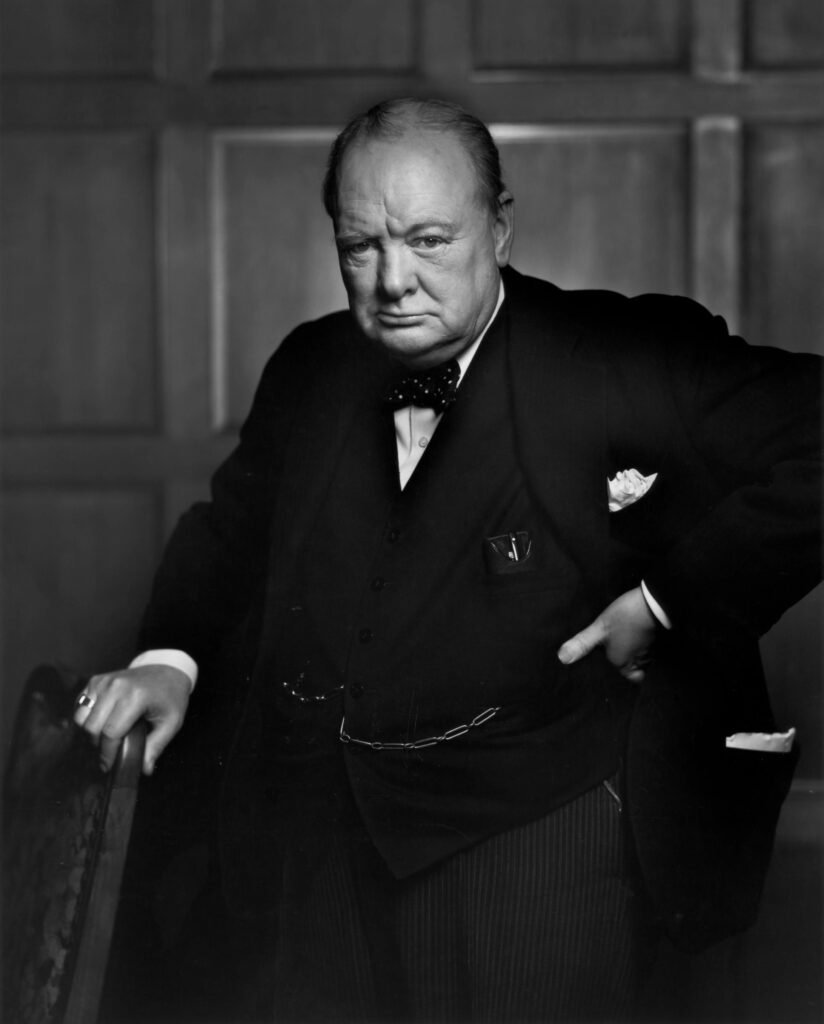
May 1940 – Winston Churchill becomes PM. Enemy aliens in category A and B who are males aged 16-60 are interned.
1940
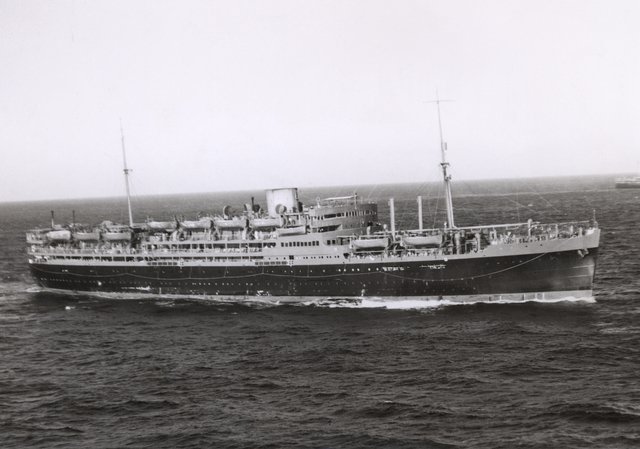
10 July 1940 – HMT Dunera departs from England, headed to Australia, carrying about 2500 “enemy aliens”. It arrives in Sydney on 6 September 1940.
1940
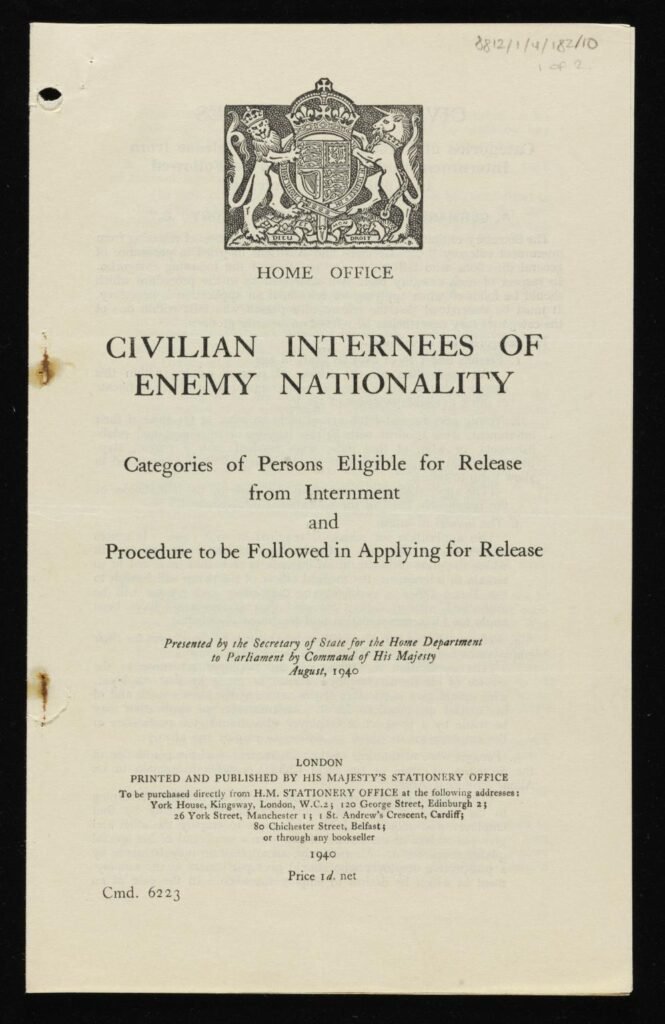
August 1940: UK Home Office releases a White Paper on Civilian Internees of Enemy Nationality. This sets out 19 categories of ‘enemy aliens’ for release in the UK. One of these categories, category 19, refers to ‘persons as to whom a Tribunal …. reports that enough is known of his history to show that by his writings or speeches or political or official activities he has consistently … taken a public and prominent part in opposition to the Nazi system and is actively friendly towards the Allied cause’. While this White Paper proposes the release of German and Austrian nationals in Category C, it also allows for people categories as Category B to be recategorised and released.
1940
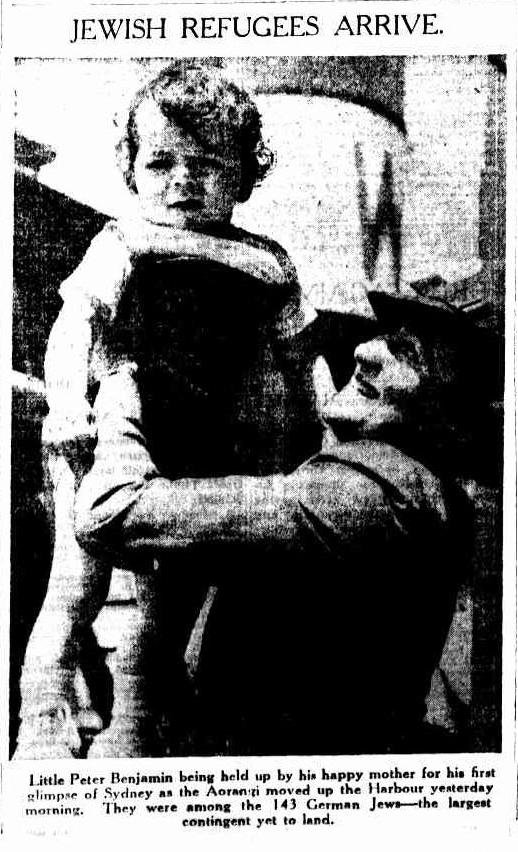
Between 1933-1939, around 9,000 Jews settle in Australia from Germany, Austria, Czechoslovakia and Poland. This is lower than the quota that was set of 5,000 per year for 3 years.
1941
November 1941: Australian war cabinet adopts policy of limited release of overseas internees. This change allows the Minister for Army to gradually release the Dunera internees, subject to certain considerations, constraints and residential determinations. Categories of people to be gradually released included: minors, men who could be used in war production activities, men who could adequately maintain themselves after release, women who had sufficient support, and other special cases.
1941
December 1941: Japan declares war on the United States and the United Kingdom, including the bombing of Pearl Harbor. The outbreak of war in the Pacific would lead to the bombing of Darwin in February 1942, following by subsequent raids in Broome and elsewhere in Australia’s north.
1941
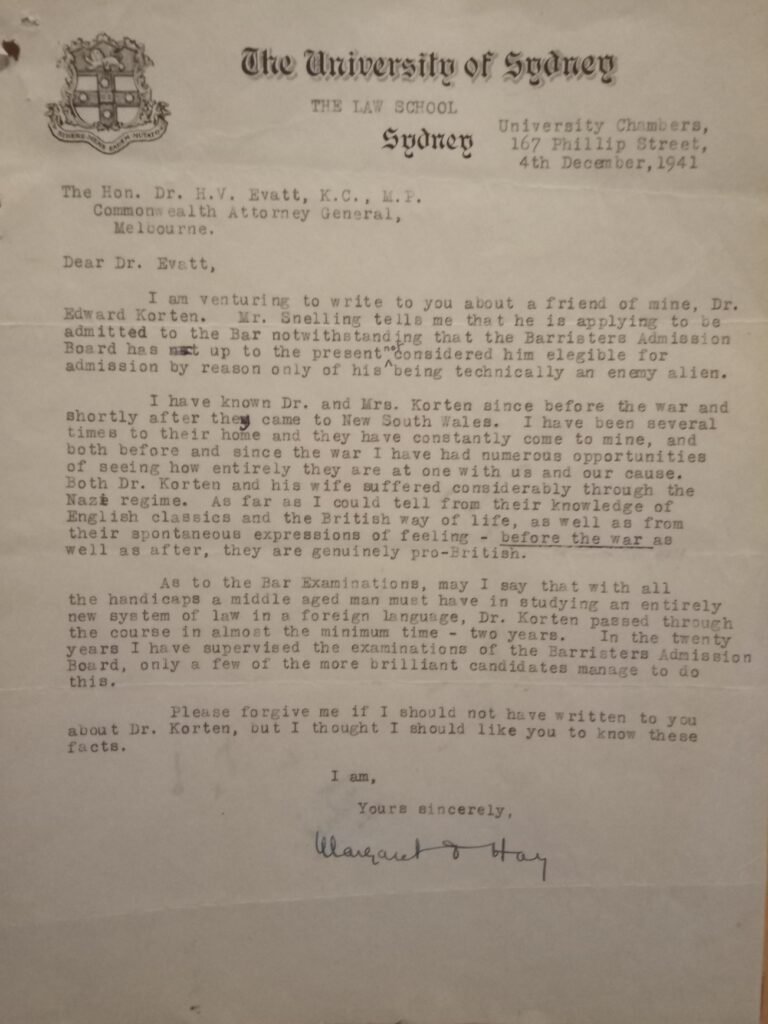
November 1941: Eduard Korten applies for admission to legal practice in NSW. The NSW Barristers’ Admission Board of the NSW Supreme Court decide that Korten is ‘not a fit and proper person to be made a barrister by reason only of the fact of your
being an enemy alien’. This decision is upheld by the NSW Supreme Court on 11 December 1941.
1942
Julius Stone appointed to Chair of International Law and Jurisprudence at the University of Sydney.
1942
27 August 1942: The Australian High Court hears Eduard Korten’s appeal against the Council of the Bar Association of New South Wales. Korten argues that he is a ‘stateless alien’ in light of having lost his Austrian nationality. The case is indefinitely adjourned, with no final judgment.
1942
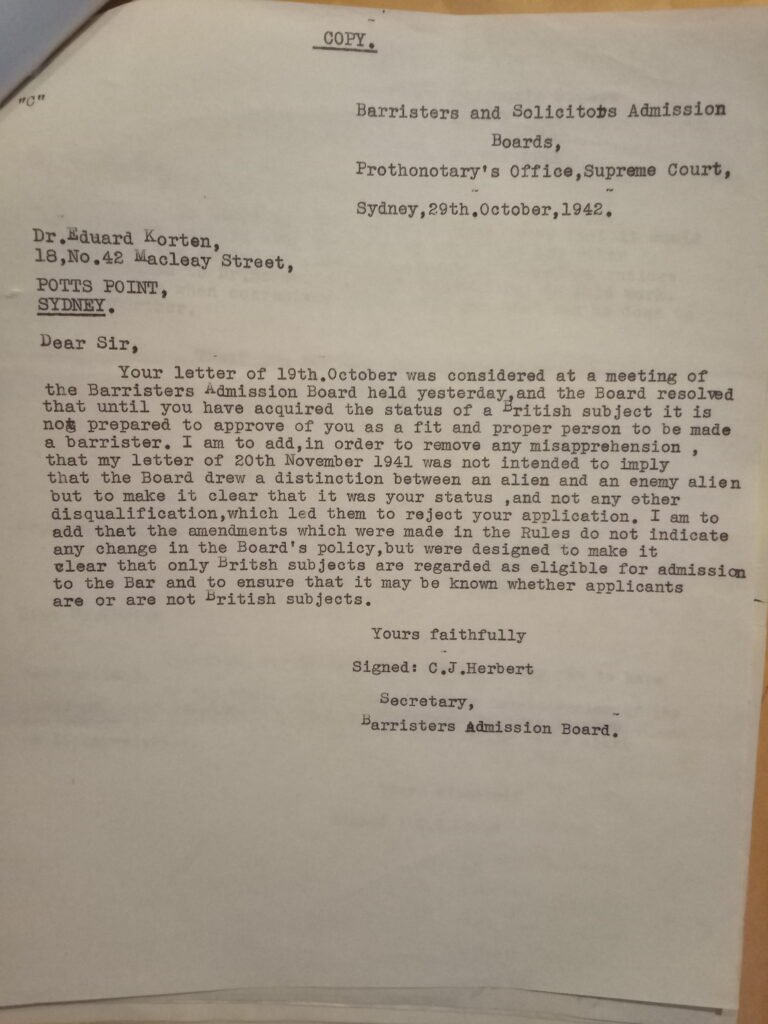
October 1942: The NSW Barristers’ Admission Board refuse Korten’s second application for admission into legal practice in NSW. Justice Herbert Nicholas dissents, noting that he believes Korten to be ‘a man of the highest character and thoroughly trustworthy’.
1943
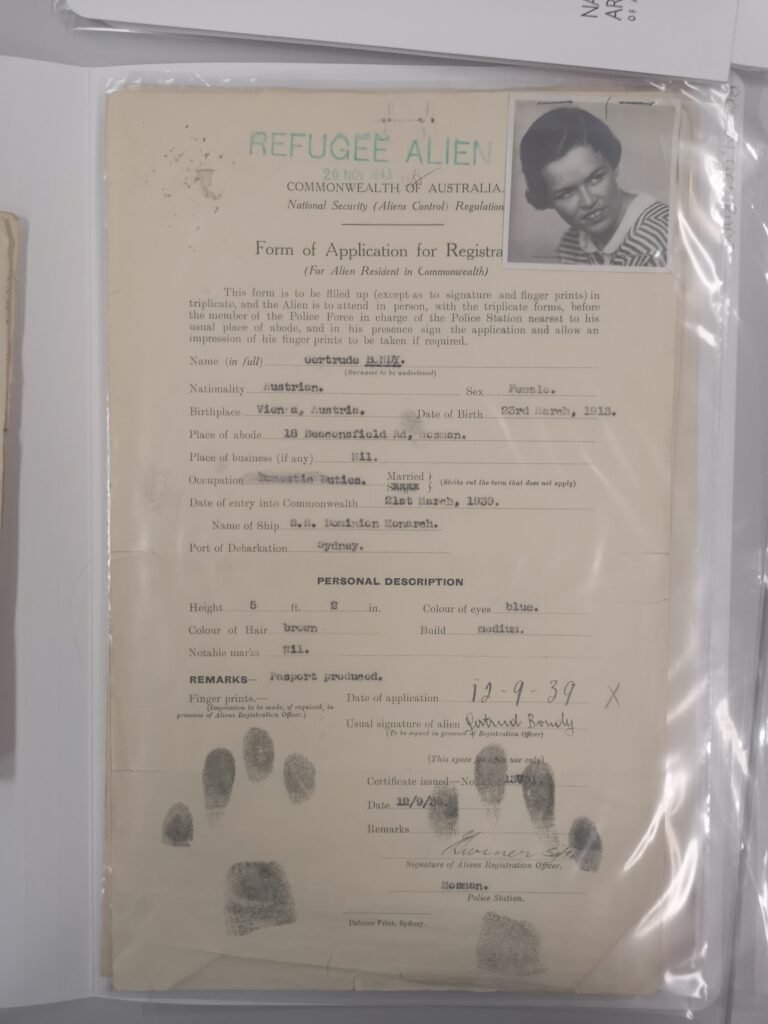
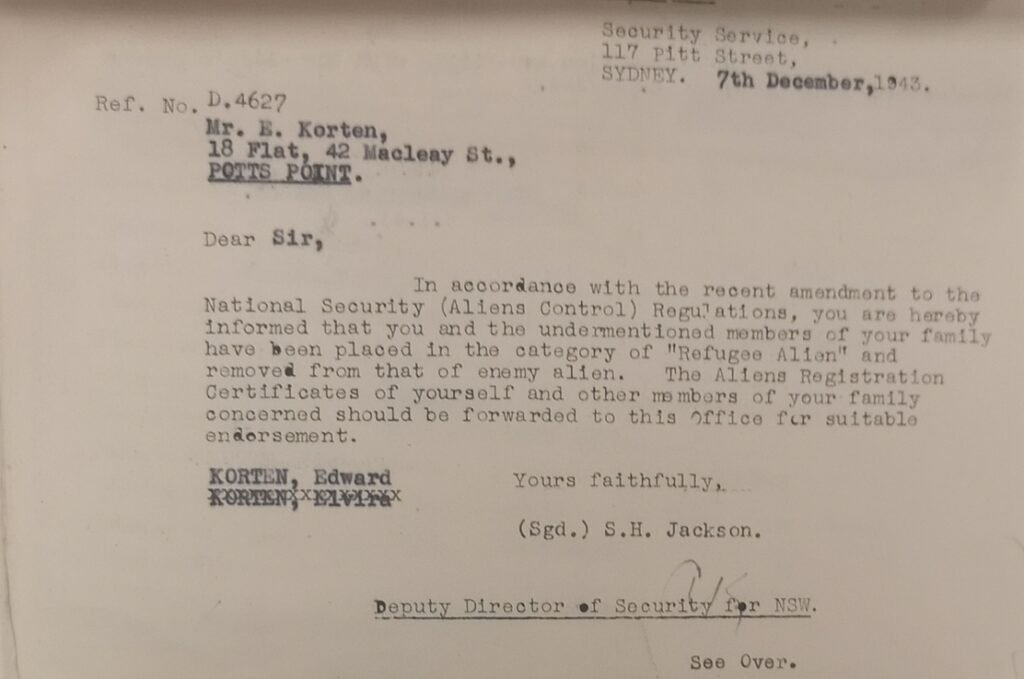
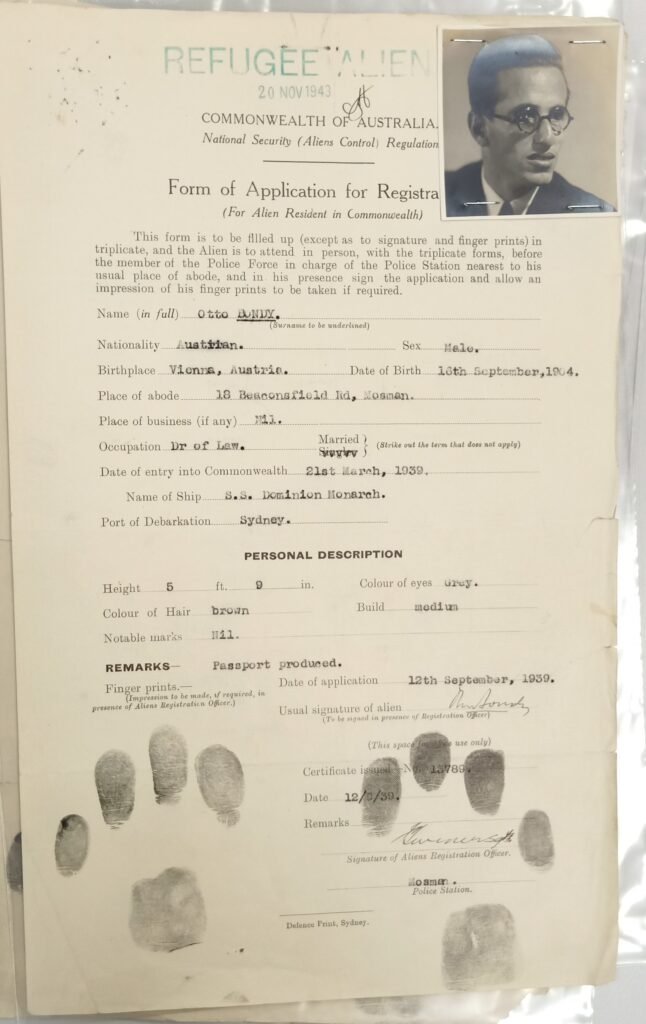
Nov 1943 – Australian National Security regulations change, distinguishing between “enemy aliens” and “refugee aliens”.
1943
Otto and Gertrud Bondy are reclassified from “enemy aliens” to “refugee aliens”.
Leonhard Adam marries Julia Mary Baillie. He starts work as research scholar at the University of Melbourne.
1944
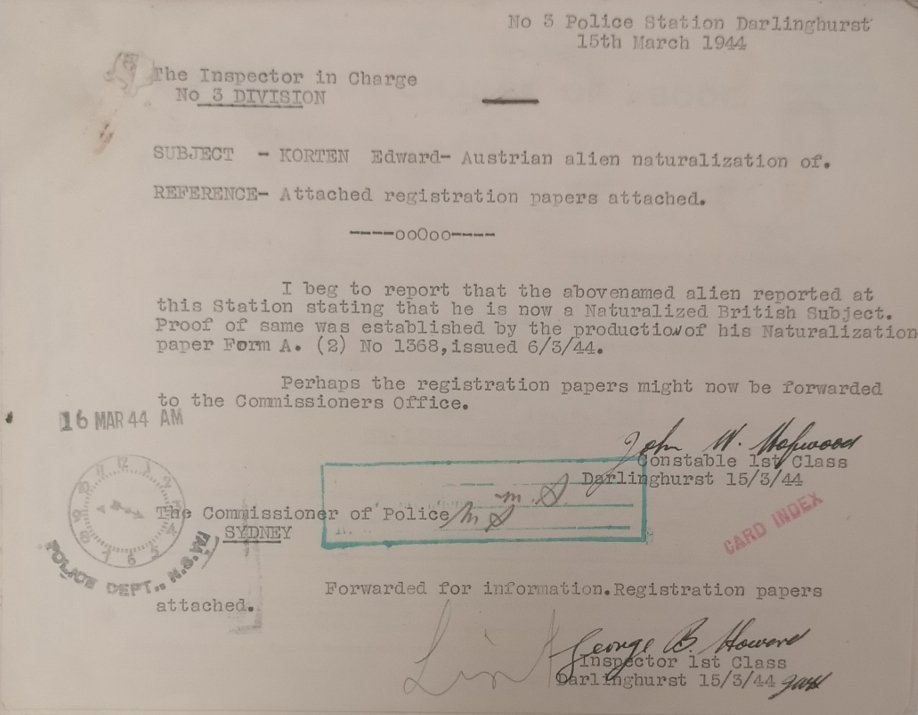
March 1944: Eduard Korten is finally admitted to legal practice in NSW, following his naturalisation on 6 March 1944.
1945
The Second World War ends, following Germany’s surrender in May 1945 and Japan’s surrender in August 1945.
1946
Displaced Persons scheme formed by United Nations International Refugee Organisation. Tens of millions of people are displaced by the War. Australia agrees to take 180,000 through this scheme.
1948
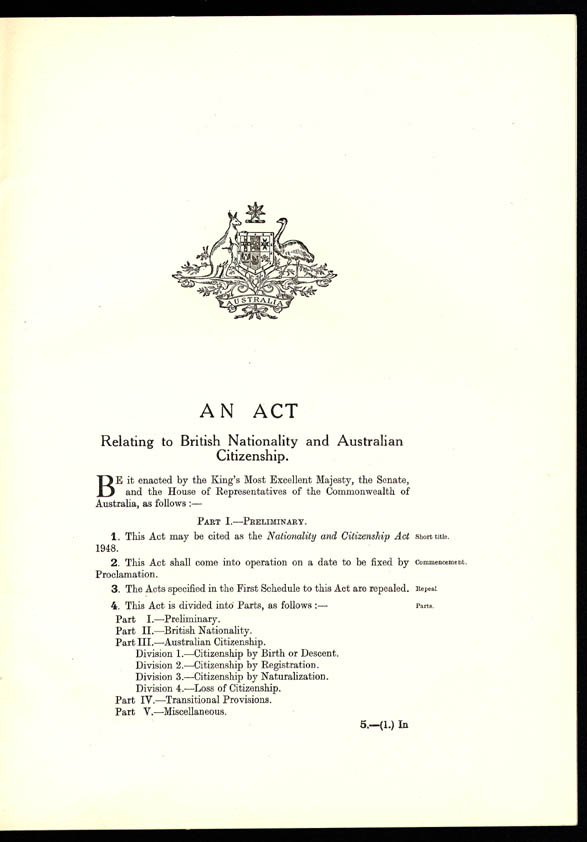
The Commonwealth Parliament passes the Nationality and Citizenship Act 1948 (Cth). This new law created the concept of the 'Australian citizen' as a distinct category of British subject.
1948
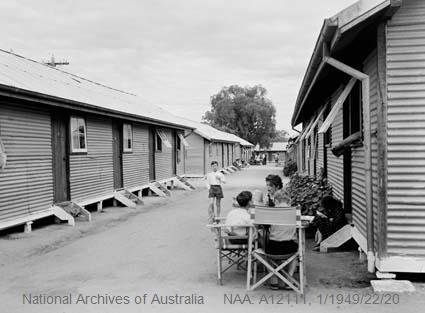
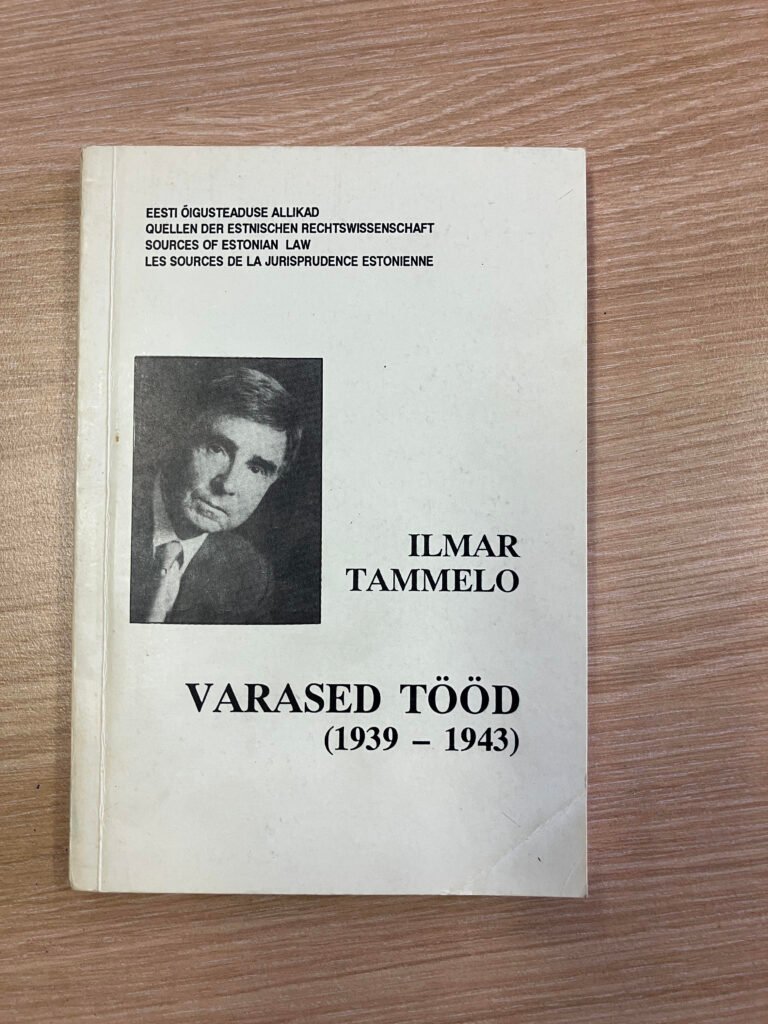
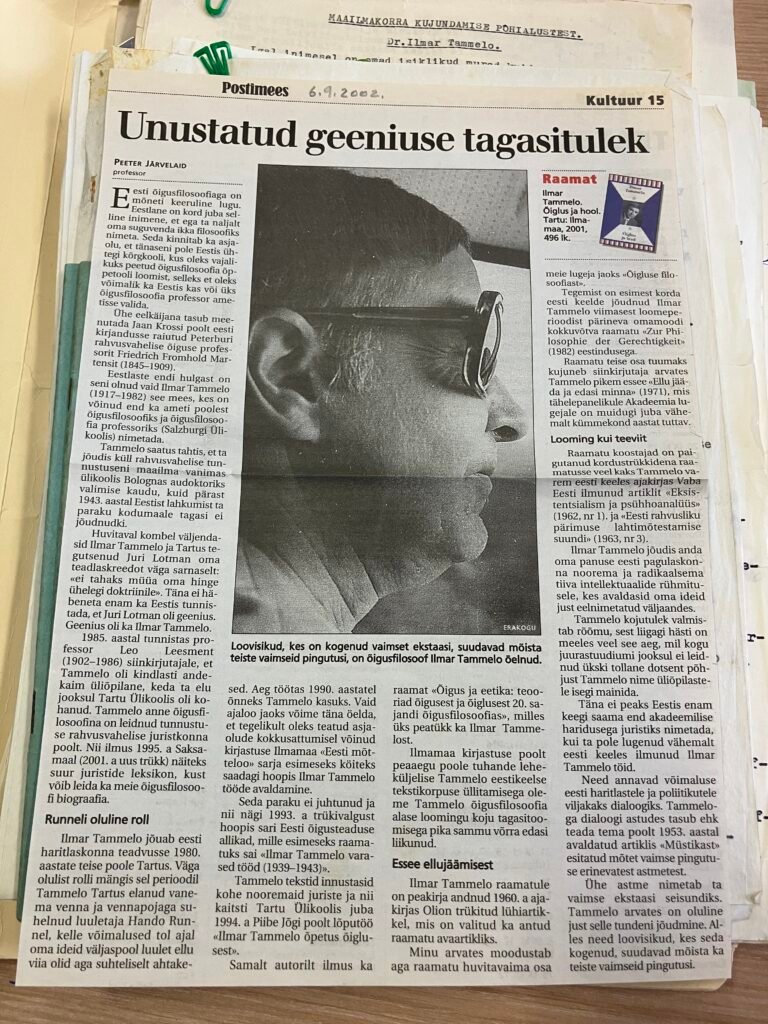
Ilmar Tammelo comes to Australia under the DP scheme. He is sent to Bonegilla migrant camp and assigned to forestry labour.
1948
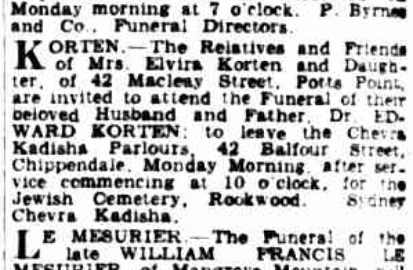
16 September 1948: Eduard Korten collapses and dies on the footpath near Queen’s Square Courts in NSW.
1954
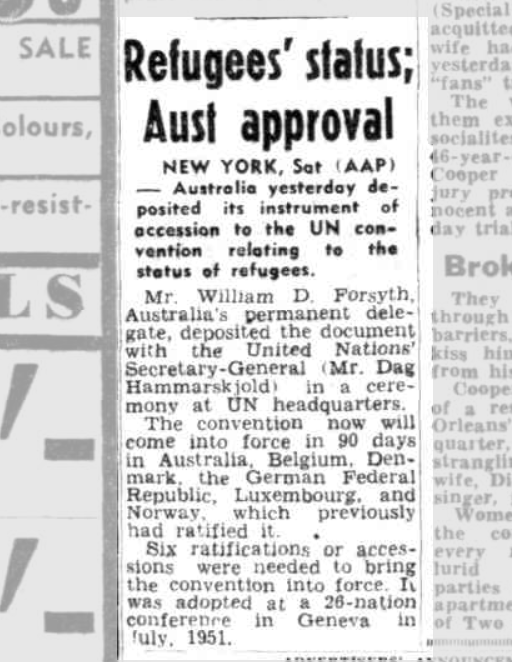
January 1954: Australia signs and accedes to the 1951 Refugee Convention. Australia’s actions, as the sixth state party to the Convention, results in the Convention formally entering into force and becoming binding international legal obligations from 22 April 1954 onwards.
1958
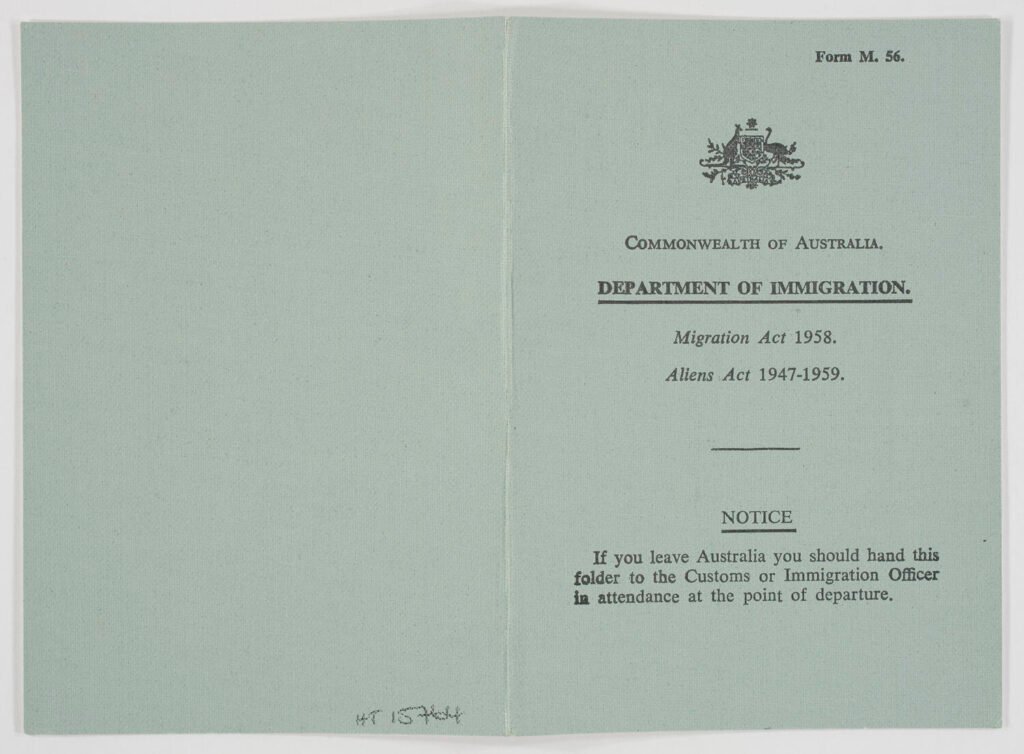
The Commonwealth Parliament passes the Migration Act 1958 (Cth). This new law abolishes the notorious and racially discriminatory dictation test and introduces a new system of entry permits.
1972
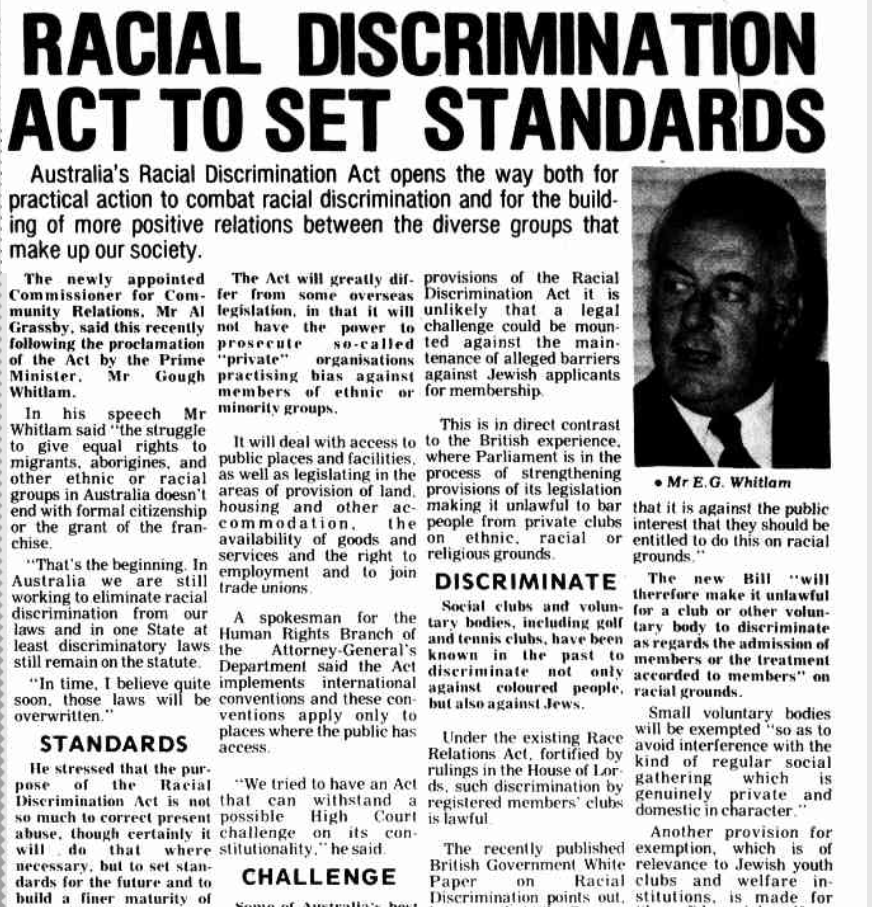
Formal abolition of the White Australia Policy under the Whitlam government, in favour of a policy of multiculturalism and non-discrimination in immigration law and policy.
1975
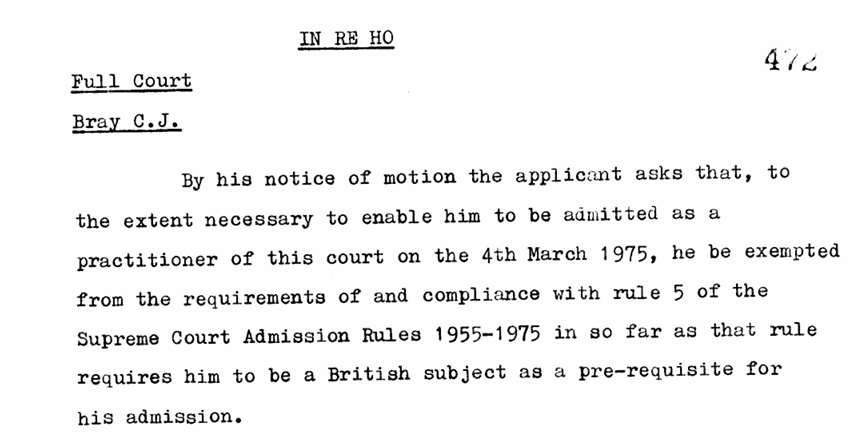
The Supreme Court of South Australia, in the In re Ho decision, becomes the first Australian court to allow for the admission of a non-British subject to legal practice in South Australia. The applicant was a stateless person who had been born in the State of Brunei in 1949, which was then a British Protectorate. Other Australian courts and admission bodies soon follow suit.
1977
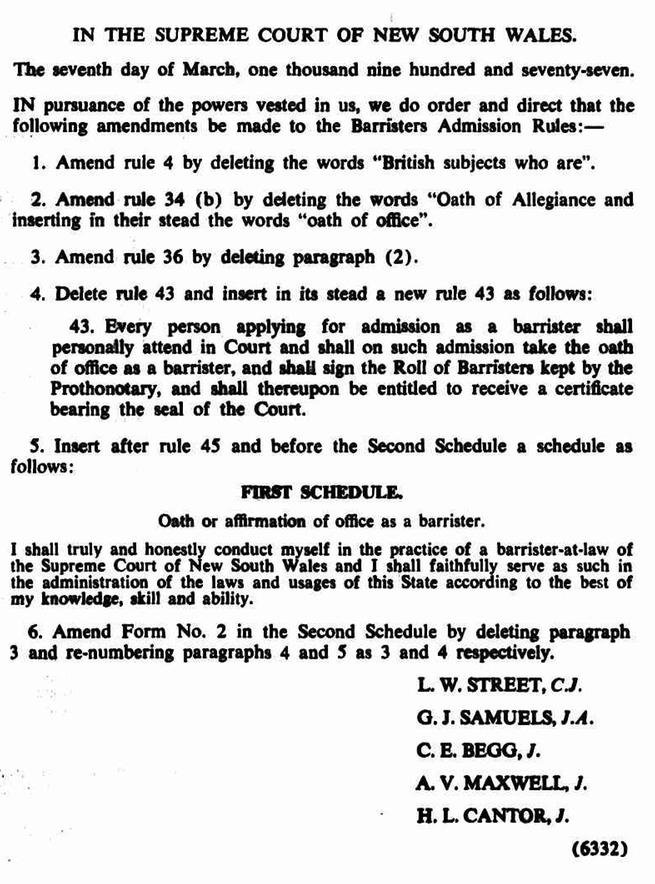
NSW Supreme Court amends the Barristers’ Admission Rules (NSW) to remove the requirement of British subjecthood.
1978
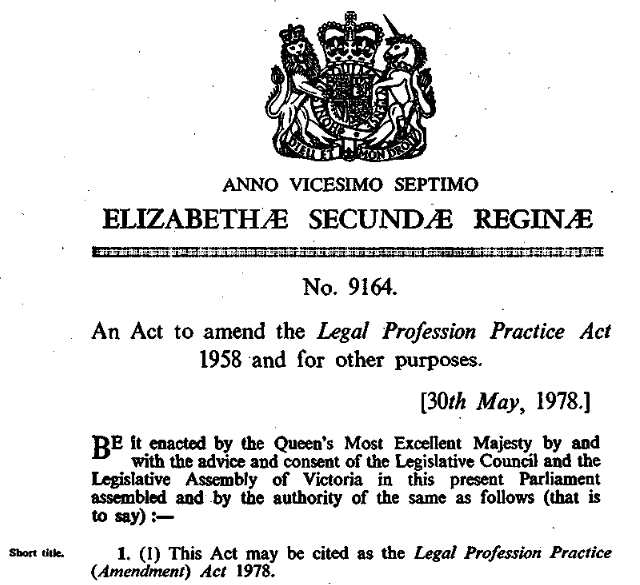
Victoria is the last state to remove the requirement of British subjecthood for entry into the legal profession, and amends the Legal Profession Practice Act 1958 (Vic) to empower the Supreme Court to excuse applicants from taking an oath of allegiance.
1992
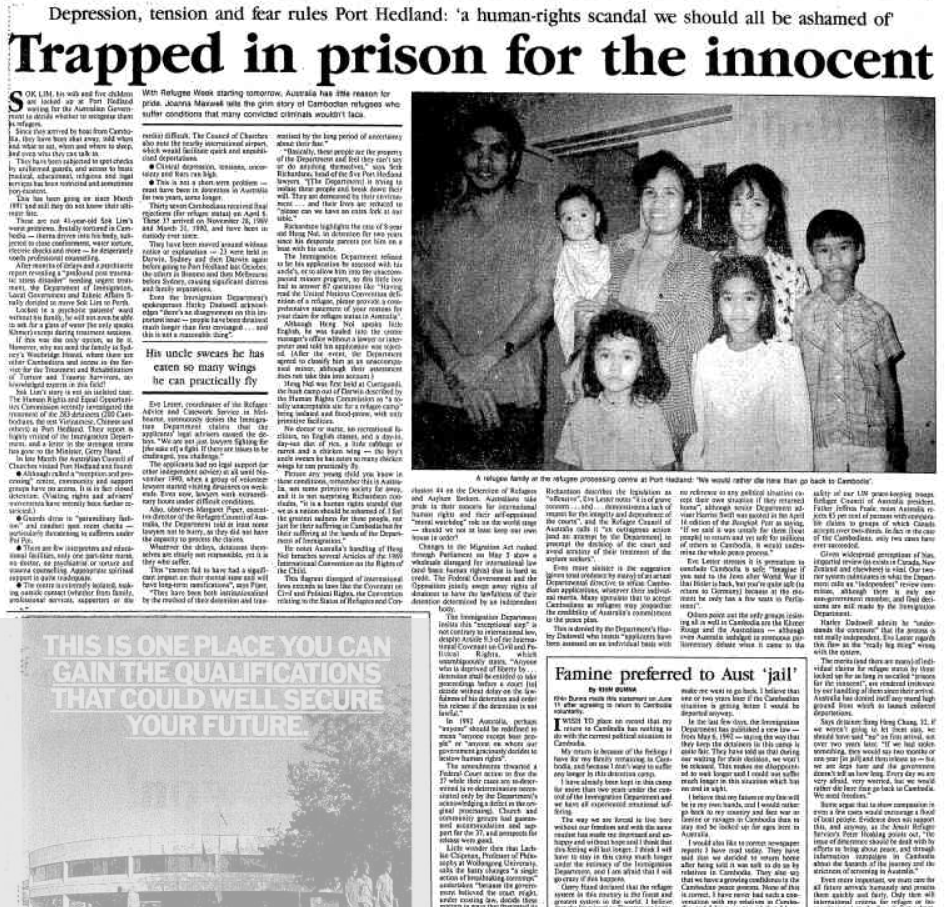
Mandatory immigration detention of non-citizens without visas adopted.